Based on the FCRA's provisions, you can retrieve and dispute any negative information on your report
If you have encountered this situation for whatever reason, this checking account offers another chance. Ordinarily, Credit Rates second opportunity accounts are designed to help people whose programs have flopped. During approval, the bank would consult with the ChexSystems database. Banks report poor credit behavior coupled with your financial records to the ChexSystems database. If your records are in this database, then this means that your credit history isn't comprehensive. Appearing on the ChexSystems database means your chances of success are incredibly low. A few credit unions and banks provide second opportunity accounts that will assist you reconstruct a good report. But you won't locate services that are in a regular checking account in another chance account. Naturally, the next chance account has accompanying perks and cons. Even though it's possible to use second chance checking accounts to reconstruct credit, they generally have high fees. Additionally, you can't use the overdraft feature since they are meant to show your financial discipline. Although it has some challenges, this checking account has an advantage over secured credit cards.
Consumers' appetite for failure and loans to fulfill their obligations brought about bankruptcies. Declaring bankruptcy may offset some debt, but you will undoubtedly suffer its long-term consequences. You may have a temporary relief if you file for bankruptcy, but its effects can last for a decade. Moreover, a bankruptcy could diminish your success rate of negotiating for favorable interest rates. When filing for bankruptcy, you'll experience countless hurdles and legal complexities. The very first step will be expressing your inability to pay the loan and going through credit counseling. Then, the entity would make you pick between chapter 7 or chapter 13 bankruptcy. Whichever the bankruptcy, you're cover the court fees and attorney fees. As you will likely lose home or provide up possessions for sale, avoiding it's an perfect choice. Additionally, it might alter the outlook with which potential lenders would see you.
The FCRA explicitly claims that you can dispute any negative item on a credit report. Primarily, if the credit bureau can not confirm the information, it has to delete it. Credit information facilities make a lot of mistakes — making such errors highly prevalent. The FCRA claims that close to one in every five Americans have mistakes in their reports. Since your report goes hand in hand with your score, a lousy report could severely damage your score. Your score dictates your creditworthiness in almost any credit card program of conventional loans. Most loan issuers turn down applications since the consumers have a bad or no credit report. It's vital to work on removing the negative entries from your report keeping this factor in mind. There are plenty of negative items that, if you don't give sufficient attention, could hurt your document. Since negative components on a credit report can impact you, you should make an effort to eliminate them. You can remove the negative items by yourself or require a credit repair firm. As this procedure involves lots of specialized and legalities, the majority of men and women opt for having a repair company. Since credit repair can be a daunting process, we have compiled everything you want to know here.
If you've encountered this situation for any reason, this checking account offers another chance. Secondly chance checking accounts work if you've been unsuccessful on your credit application previously. The lender would check your documents against ChexSystems prior to entrusting your application. ChexSystems is a data centre to which most banks report poor credit use. If your documents are in this database, then it means your credit history is not comprehensive. Appearing on the ChexSystems database means your odds of success are incredibly low. If you have any queries concerning the place and how to use Credit Rates, you can call us at our page. A few credit unions and banks provide second opportunity accounts that will assist you reconstruct a good report. Without a doubt, you wont find the components of a normal checking account at a second chance account. Of course, the next chance account has corresponding perks and disadvantages. Although you will certainly repair your own credit together, they usually have high fees. Worse still, you can not overdraw funds from the second chance checking account. The bright side of the account is the fact that it is far better than secured credit cards or check-cashing.
The FCRA gives the provision to remove any harmful element on your credit report. Essentially, if the reporting agency can't verify the product, it certainly has to be eliminated. Since no thing is foolproof of creating mistakes, credit data centers have some mistakes in consumer reports. According to the FCRA, at least 20 percent of US taxpayers have mistaken in their credit reports. Since your report goes together with your score, a lousy report may severely hurt your score. For any typical loan or line of credit, your credit score tells the kind of consumer you're. Many loan applicants have had an ineffective program because of a low credit score. Having said that, it is imperative to focus on eliminating negative entries from your credit report. From delinquencies to bankruptcies, compensated collections, and queries, such components can affect you. Since damaging elements on a credit report may affect you, you should make an effort and eliminate them. You can remove the negative items by yourself or require a credit repair firm. Several consumers choose to use a repair company when they recognize they can't undergo all hoops. To ensure you go through each of the steps with ease, we have compiled everything you need to know here.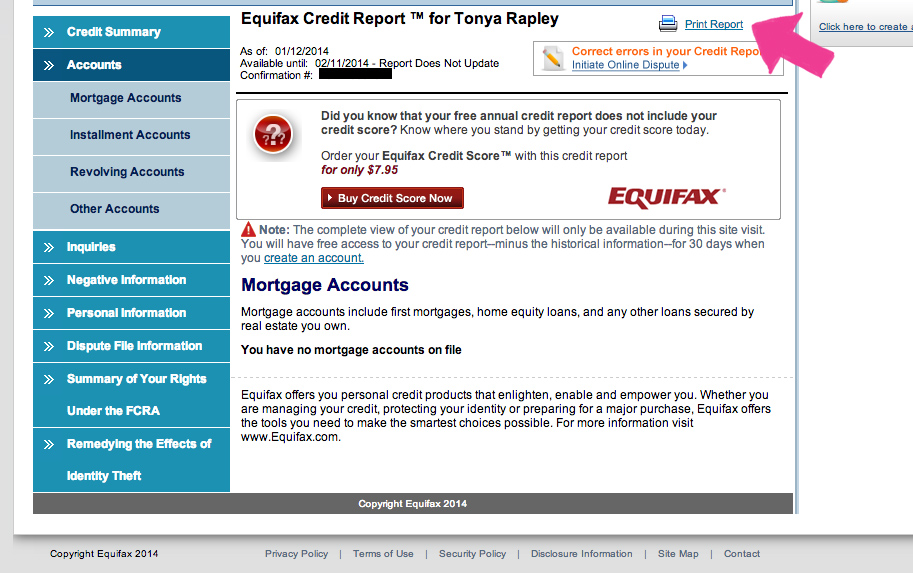
Consumers' appetite for failure and loans to fulfill their obligations brought about bankruptcies. Declaring bankruptcy may offset some debt, but you will undoubtedly suffer its long-term consequences. You may have a temporary relief if you file for bankruptcy, but its effects can last for a decade. Moreover, a bankruptcy could diminish your success rate of negotiating for favorable interest rates. When filing for bankruptcy, you'll experience countless hurdles and legal complexities. The very first step will be expressing your inability to pay the loan and going through credit counseling. Then, the entity would make you pick between chapter 7 or chapter 13 bankruptcy. Whichever the bankruptcy, you're cover the court fees and attorney fees. As you will likely lose home or provide up possessions for sale, avoiding it's an perfect choice. Additionally, it might alter the outlook with which potential lenders would see you.
The FCRA explicitly claims that you can dispute any negative item on a credit report. Primarily, if the credit bureau can not confirm the information, it has to delete it. Credit information facilities make a lot of mistakes — making such errors highly prevalent. The FCRA claims that close to one in every five Americans have mistakes in their reports. Since your report goes hand in hand with your score, a lousy report could severely damage your score. Your score dictates your creditworthiness in almost any credit card program of conventional loans. Most loan issuers turn down applications since the consumers have a bad or no credit report. It's vital to work on removing the negative entries from your report keeping this factor in mind. There are plenty of negative items that, if you don't give sufficient attention, could hurt your document. Since negative components on a credit report can impact you, you should make an effort to eliminate them. You can remove the negative items by yourself or require a credit repair firm. As this procedure involves lots of specialized and legalities, the majority of men and women opt for having a repair company. Since credit repair can be a daunting process, we have compiled everything you want to know here.
If you've encountered this situation for any reason, this checking account offers another chance. Secondly chance checking accounts work if you've been unsuccessful on your credit application previously. The lender would check your documents against ChexSystems prior to entrusting your application. ChexSystems is a data centre to which most banks report poor credit use. If your documents are in this database, then it means your credit history is not comprehensive. Appearing on the ChexSystems database means your odds of success are incredibly low. If you have any queries concerning the place and how to use Credit Rates, you can call us at our page. A few credit unions and banks provide second opportunity accounts that will assist you reconstruct a good report. Without a doubt, you wont find the components of a normal checking account at a second chance account. Of course, the next chance account has corresponding perks and disadvantages. Although you will certainly repair your own credit together, they usually have high fees. Worse still, you can not overdraw funds from the second chance checking account. The bright side of the account is the fact that it is far better than secured credit cards or check-cashing.
The FCRA gives the provision to remove any harmful element on your credit report. Essentially, if the reporting agency can't verify the product, it certainly has to be eliminated. Since no thing is foolproof of creating mistakes, credit data centers have some mistakes in consumer reports. According to the FCRA, at least 20 percent of US taxpayers have mistaken in their credit reports. Since your report goes together with your score, a lousy report may severely hurt your score. For any typical loan or line of credit, your credit score tells the kind of consumer you're. Many loan applicants have had an ineffective program because of a low credit score. Having said that, it is imperative to focus on eliminating negative entries from your credit report. From delinquencies to bankruptcies, compensated collections, and queries, such components can affect you. Since damaging elements on a credit report may affect you, you should make an effort and eliminate them. You can remove the negative items by yourself or require a credit repair firm. Several consumers choose to use a repair company when they recognize they can't undergo all hoops. To ensure you go through each of the steps with ease, we have compiled everything you need to know here.


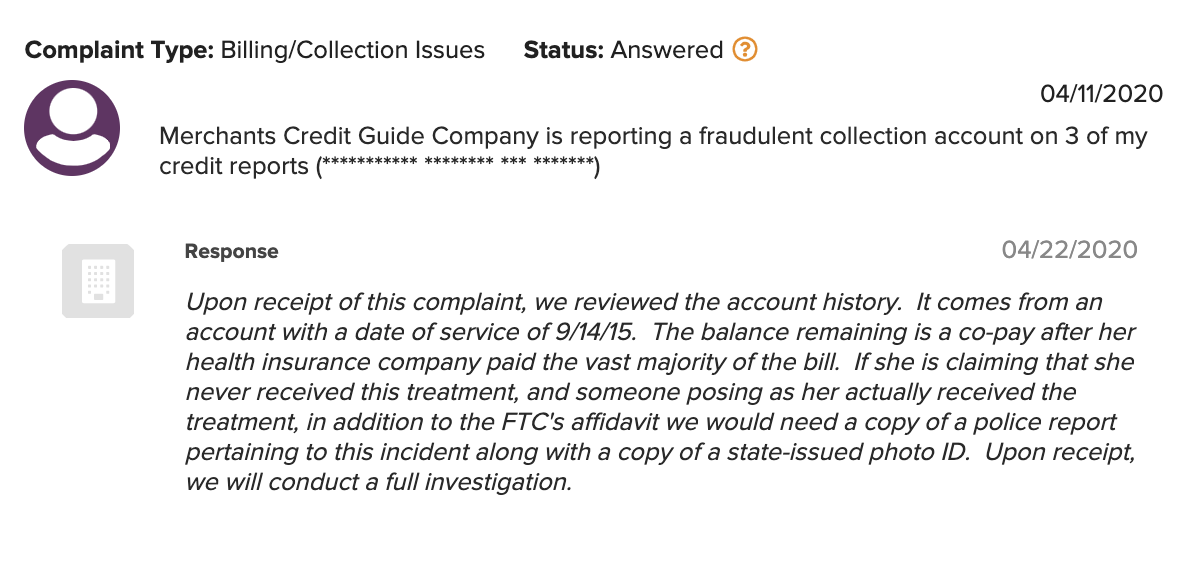



 Everyone makes charge payments — from loans to credit cards and lines of credit. However, if you don't make timely payments, loan issuers would come to their own possessions. Whenever a collection service makes attempts to recover the cash, it provides to your report for a collection. While compensated collections have less effect on your score, outstanding collections can badly impact you. Your score will drop based on some variables whether one of your accounts goes into collection. If you've got a high score, you'll lose more points than someone with couple of points, and also the converse is true. If you skip a payment, your lender would report it to the agencies as«payment» Failing to repair your account's bad condition would make a collection service come for their cash. As soon as an account is reported a collection, you'll immediately experience a plummet in your own score. Considering deleting a collection requires a great deal of money and time, making timely payments is your best strategy.
 According to the FCRA, you can dispute any negative element in your credit report. Basically, if the reporting agency can't confirm the item, it surely must be eliminated. The 3 information centers — Experian, Equifax, and TransUnion — are prone to making mistakes in reports. A detailed evaluation of American customers reveals that about 20 percent of them have errors in their reports. Your credit report relies on your score, and a bad score could critically plummet your credit score. Since your score informs the kind of customer you are, you should put heavy emphasis on it. Several loan applicants have had an ineffective application due to a bad credit score. Ever since your loan negotiation ability will be crippled due to negative entries, you should delete them. Late payments, bankruptcies, challenging questions, paid collections, and deceptive activity can affect you. Detrimental entries can tank your credit rating; hence you should try and remove all them. There are different means of removing negative items, and among them is a credit repair firm. Most people use credit repair companies when they have to go through plenty of legal technicalities. Because credit fix can be a daunting process, we've compiled everything you need to know here.
 One of those questions that you may be having is if obtaining a loan can damage your credit score. Mostly, how you manage loans is an essential part in determining your credit. Among the critical elements from the calculation of your credit, loans may improve or decrease your own score. If you don't make timely payments, taking a loan out would be as excellent as tanking your credit score. Mostly, lenders use your credit report to tell the kind of consumer you're. This preliminary examination might be counterintuitive as you require a loan to build a fantastic history. When this loan program is the first one, your odds of success might be rather slim. To qualify for a new loan, you'll need a fantastic history and use ration to be qualified for credit. If you've cleared your bills early in the past, they might consider you a creditworthy consumer. If you continuously make late payments, prospective lenders would question your loan eligibility. If you have damaged your report previously, taking a new loan could help you reestablish it. Lending volume accounts for approximately a third of the report, and you should pay the maximum attention to it.
 The FCRA provides the provision to eliminate any detrimental element in your credit report. In nature, the responsible data center has to delete the data if it can't verify it as valid. Like every other thing, credit information centers are prone to making a great deal of errors, especially in a credit report. A close examination of American consumers shows that roughly 20 percent of them have errors in their reports. For more info regarding